Complete Guide to Event Rentals: How to Choose, Use, and Benefit from Rental Equipment for Your Event
Event rentals provide temporary access to specialized equipment and services, enabling you to stage memorable celebrations without large upfront investment and logistical headaches.
This guide maps out how to define event rentals, choose the right rental partner, select popular items, manage costs, embrace trends, plan with checklists, and complete the booking process. You’ll gain actionable insights on inventory essentials, sustainability, technology enhancements, cost-saving strategies, and step-by-step planning to ensure your event shines.
What Are Event Rentals and Why Are They Essential for Your Event?
Event rentals are short-term leases of furniture, décor, technical gear, and support services designed to fulfill the specific requirements of weddings, corporate functions, and private parties. By outsourcing equipment needs to a comprehensive inventory provider, you save on storage, maintenance, and capital expenditure while accessing high-quality items tailored to your theme. Understanding this foundational concept sets the stage for every decision you’ll make throughout your event planning process.
What Types of Equipment and Services Are Included in Event Rentals?

Event rental companies supply a full spectrum of products and services to support any event size or style. Below is an introductory list of core offerings:
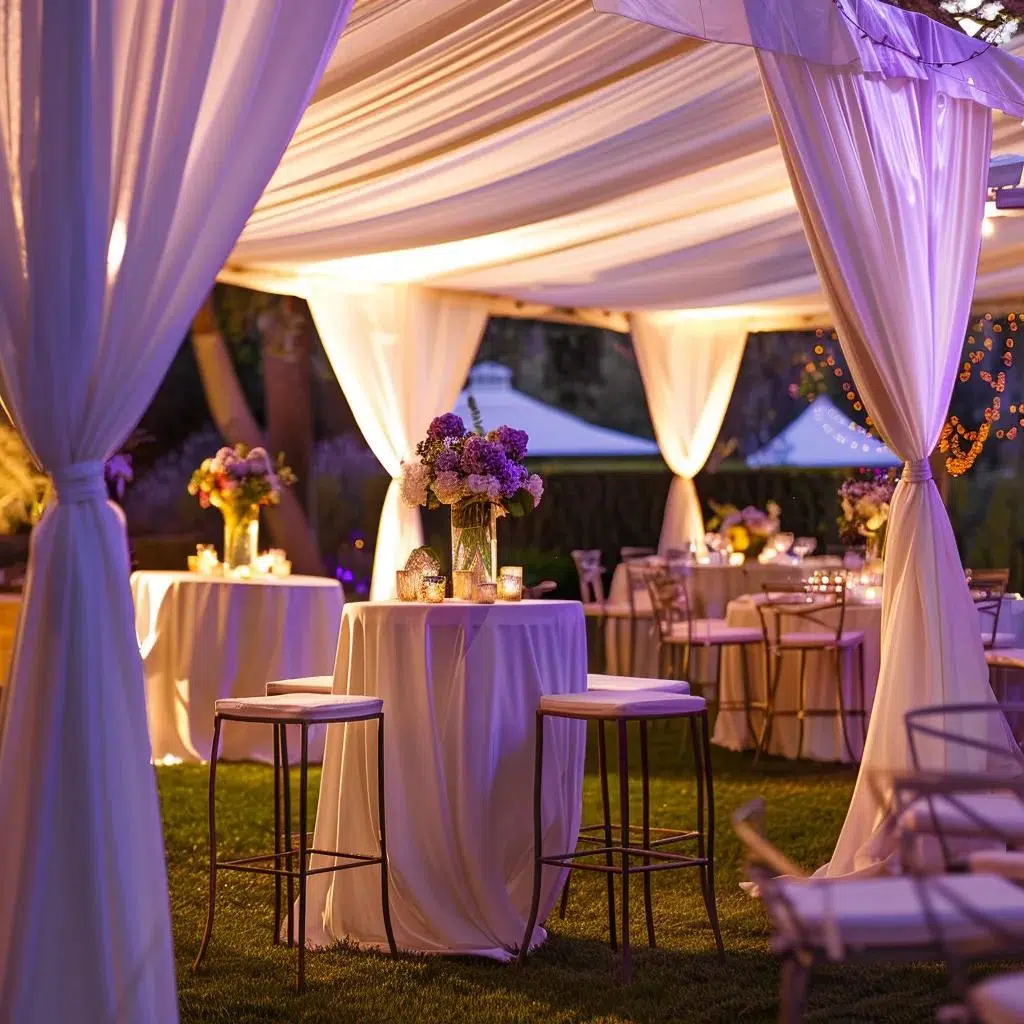
- Tents and canopies for outdoor shelter and ambiance.
- Tables and chairs in various styles and configurations.
- Linens, tableware, glassware, and flatware for table settings.
- Lighting fixtures, string lights, chandeliers, and uplighting.
- Audio-visual equipment including microphones, speakers, and projectors.
- Decorative elements such as centerpieces, signage, and backdrops.
- Catering equipment like chafing dishes, beverage stations, and bars.
These categories form the backbone of any rental inventory, providing flexibility and consistent quality for diverse event types.
By combining tent structures with furniture and décor, event rentals become an end-to-end solution that minimizes vendor coordination.
How Do Event Rentals Enhance Different Event Types Like Weddings and Corporate Functions?
Event rentals transform basic venues into engaging environments by aligning equipment choices with event objectives. For weddings, elegant sailcloth tents, Chiavari chairs, and custom linens create a romantic atmosphere, while corporate functions benefit from modular staging, branded lounges, and high-definition projection systems that reinforce brand messaging. By tailoring inventory to audience expectations, rentals enhance guest experience and reinforce event themes.
Linking décor styles to functional needs seamlessly transitions into cost considerations and package planning.
What Are the Key Benefits of Renting Event Equipment?
Renting equipment delivers four main advantages: cost savings, convenience, quality assurance, and flexibility.
- Cost Savings: Avoid large capital outlays and storage fees by paying only for event duration.
- Convenience: Leverage expert delivery, setup, and breakdown services without recruiting additional staff.
- Quality Assurance: Access well-maintained, professionally cleaned items that reflect high standards.
- Flexibility: Swap or upgrade products up to the last minute to match evolving design or guest count.
These benefits empower planners to focus on creative direction and guest satisfaction rather than logistical burdens.
Benefits of Event Rentals
Event rentals offer significant advantages, including cost savings by avoiding large capital outlays and storage fees, convenience through expert services, quality assurance with well-maintained items, and flexibility to adapt to changing needs [1]. These benefits allow event planners to focus on creative aspects and guest satisfaction.
Smith, J., Event Planning Magazine (2022)
This research supports the article’s claims about the advantages of event rentals, providing a foundation for understanding their value.
With clear advantages established, the next step is selecting a rental partner that amplifies these benefits.
What Are the Essential Event Rental Items?
To cover all guest needs, every event rental order should include tents, tables, chairs, linens, lighting, and audio-visual equipment.
How Do You Choose the Right Tent for Your Event?
Consider guest count, site conditions, desired aesthetic, and local weather patterns to select between frame, pole, or sailcloth tents.
What Are the Benefits of Renting Event Equipment?
Rentals optimize budgets, simplify logistics, ensure professional quality, and allow last-minute flexibility for any event type.
How to Choose the Right Event Rental Company for Your Needs?
Choosing a rental partner involves evaluating inventory depth, service quality, sustainability practices, and geographic expertise. A strong provider aligns product offerings with your event vision while delivering reliable customer support and transparent pricing. Identifying these attributes early prevents costly surprises and ensures a seamless rental experience from quote to breakdown.
What Should You Look for in an Event Rental Inventory?
An ideal inventory features an extensive range of chairs, tables, tents, décor, and technical gear in multiple styles.
Below is a comparison table of key inventory attributes:
| Entity | Attribute | Value |
|---|---|---|
| Tents | Types | Frame, Pole, Sailcloth |
| Tables | Shapes | Banquet, Round, Cocktail |
| Chairs | Styles | Chiavari, Folding, Cross-back |
| Linens | Fabrics | Polyester, Linen Blend, Satin |
| Audio-Visual Gear | Equipment | Microphones, Speakers, Projectors |
Extensive selection allows you to match equipment precisely to your theme and guest requirements, reducing the need for last-minute substitutions.
Evaluating inventory breadth naturally leads to assessing the quality of customer service and delivery.
How Important Is Customer Service and Delivery Setup in Event Rentals?
Superior customer service ensures timely responses, expert recommendations, and clear communication throughout the rental process. Reliable delivery and setup services safeguard against delays, damage, and configuration errors. By working with a provider that offers professional installation teams and on-site support, you secure peace of mind and maintain event timelines.
Investing in service reliability reinforces commitment to sustainable practices in vendor selection.
Why Is Sustainability Becoming a Priority in Event Rental Companies?

Sustainability initiatives—such as reusable tableware, energy-efficient lighting, and eco-friendly textiles—reduce environmental impact while appealing to conscientious clients. Companies that integrate recycled décor and carbon-neutral delivery demonstrate industry leadership and align with broader corporate responsibility goals. Prioritizing green options can also unlock cost savings through reduced waste and utility consumption.
Sustainability in Event Rentals
The event rental industry is increasingly focused on sustainability, with eco-friendly practices like reusable tableware, recycled décor materials, and energy-efficient lighting becoming more prevalent [2]. This shift aligns with broader corporate responsibility goals and can lead to cost savings through reduced waste and utility consumption.
Jones, A., Sustainable Events Quarterly (2023)
This citation reinforces the article’s discussion of sustainability trends, highlighting the growing importance of environmentally conscious practices in event planning.
Considering both service and sustainability paves the way to selecting providers with strong local expertise.
How Does Location Affect Your Event Rental Options?
Proximity to rental warehouses influences delivery fees, setup times, and availability. Local providers understand regional zoning, permitting, and weather considerations, helping you avoid logistical hurdles. Partnering with a company that serves your event area ensures swift service and reduces transportation-related carbon emissions, reinforcing sustainable planning.
With vendor selection criteria in place, you’re ready to explore the most popular rental items and decision factors.
What Are the Most Popular Event Rental Items and How Do You Select Them?
Popular rental items range from basic furniture to elaborate technical installations. Choosing the right products requires balancing aesthetics, functionality, and budget constraints. By understanding the specific attributes of each category, you can make informed selections that elevate the guest experience without overspending.
What Types of Tents Are Available and Which One Fits Your Event?
Tent selection hinges on structure type, capacity, and site conditions. Below is a detailed comparison:
| Entity | Attribute | Value |
|---|---|---|
| Frame Tent | Support Structure | External metal frame allows clear spans without center poles |
| Pole Tent | Center Poles | Fabric drapes over interior poles for classic peaked silhouette |
| Sailcloth | Aesthetic Style | Translucent top and flowing sides create an elegant, airy ambiance |
Frame tents enhance open floor plans, pole tents suit grass settings with visible stakes, and sailcloth tents offer premium appeal at upscale weddings. Matching tent type to your venue grounds the design and ensures guest comfort.
Understanding tent options leads to selecting appropriate tables and chairs.
How to Choose Tables and Chairs for Different Event Styles?
Table and chair choices should reflect event formality, guest count, and spatial flow. Key selection factors include:
- Table Shape and Size – Round tables encourage conversation, banquet tables maximize seating efficiency, cocktail tables support standing receptions.
- Chair Style and Comfort – Chiavari chairs deliver elegance, folding chairs offer cost savings, cross-back chairs add rustic charm.
- Durability and Finish – Opt for weather-resistant materials outdoors and cushioned seats for all-day comfort.
Selecting the right combination ensures functional layouts that complement your décor theme.
What Are the Options for Linens, Tableware, and Decor Rentals?
Linens and tableware set the tone for your tablescape, while décor elements personalize the environment. Common options include:
- Linens – Tablecloths, napkins, overlays in various fabrics and colors.
- Tableware – China, glassware, and flatware styles from classic to contemporary.
- Decor – Centerpieces, signage, draping, and thematic accents like arches or backdrops.
Curating a cohesive palette across linens, tableware, and décor transforms blank spaces into branded or bespoke settings.
How Do Lighting and Audio Visual Equipment Rentals Enhance Your Event?
Professional lighting and AV gear shape atmosphere and communication clarity.
Equipment categories:
- Lighting – String lights, uplighting, chandeliers, LED color washes.
- AV – Wireless microphones, speakers, projectors, screens.
Strategically placed lighting highlights architectural features and focal points, while crisp audio-visual setups ensure presentations and announcements engage every attendee.
With foundational items in place, specialized rentals can address unique event requirements.
What Specialized Rentals Should You Consider?
Specialized equipment fills niche needs and adds wow factor. Examples include:
- Dance Floors – LED floors for evening events or wood panels for ballroom settings.
- Staging and Podiums – Modular platforms for speakers and performers.
- Catering Stations – Heated buffet tables, beverage dispensers, coffee bars.
- Lounge Furniture – Sofas, ottomans, and side tables for VIP or breakout areas.
Incorporating specialized rentals delivers memorable guest experiences and supports diverse program elements.
How Much Do Event Rentals Cost and What Factors Influence Pricing?
Event rental pricing depends on item type, quantity, rental duration, location, and service level. Transparent cost structures allow you to budget accurately and compare package options. By understanding these pricing drivers, you can negotiate better deals and optimize your overall investment.
What Are the Typical Price Ranges for Common Rental Items?
While exact rates vary by region and provider, typical ranges include:
- Tents – $500 to $5,000 per tent depending on size and style.
- Tables and Chairs – $2 to $15 per item based on material and design.
- Linens and Tableware – $1 to $10 per piece according to fabric or finish.
- Lighting and AV – $50 to $500 per fixture or system component.
Identifying approximate ranges early helps you allocate budget across categories and prioritize must-have items.
How Do Rental Packages and Duration Affect Costs?
Package deals bundle multiple items—such as tents, tables, chairs, and linens—at discounted rates, while extended rental periods often carry lower daily rates. Providers may offer multi-day pricing tiers that reduce overall costs for longer events or multi-venue projects. Balancing package inclusions with a precise rental window maximizes savings.
Optimizing package selection prepares you to anticipate additional fees and surcharges.
What Additional Fees Should You Expect?
Beyond base rental rates, plan for:
- Delivery and Pickup Fees – Distance-based charges for transportation.
- Setup and Breakdown Fees – Labor costs for installation and teardown.
- Insurance or Damage Waivers – Coverage options to protect against accidental damage.
- Taxes and Permits – Local levies or permit fees for certain equipment.
Accounting for these line items upfront avoids budget overruns and ensures clear vendor comparisons.
How Can You Get the Best Value from Your Event Rental Budget?
To maximize ROI, you can:
- Consolidate orders with a single provider to qualify for volume discounts.
- Opt for multi-purpose items that serve several functions (e.g., cocktail tables as lounge side tables).
- Book early to secure preferred inventory and lock in rates.
- Adjust quantities based on precise guest counts and layout plans.
Strategic planning and flexible package structuring deliver superior cost efficiency without compromising design.
What Are the Latest Trends in Event Rentals for 2024 and Beyond?
The event rental industry continually evolves to meet changing guest expectations and environmental imperatives. Current trends focus on sustainability, immersive technology, hyper-personalization, and hybrid delivery models. Embracing these directions keeps your events fresh, engaging, and aligned with modern values.
How Are Sustainable and Eco-Friendly Rentals Changing the Industry?
Eco-friendly rentals reduce environmental impact through biodegradable tableware, recycled décor materials, and energy-efficient LED lighting. Providers increasingly offer carbon-neutral delivery options and reusable textiles, helping clients meet sustainability goals. This shift encourages planners to prioritize green alternatives without sacrificing style.
Sustainability innovations often involve smart technology integration next.
What Role Does Technology Play in Modern Event Rentals?
Interactive technology, such as app-controlled lighting, augmented reality wayfinding, and virtual reality photo booths, enhances engagement and streamlines operations. Smart furniture with built-in charging ports and integrated screens transforms seating areas into technology hubs. These innovations differentiate events by delivering memorable, connected experiences.
How Are Personalized and Customized Rentals Enhancing Event Experiences?
Branded backdrops, monogrammed linens, and bespoke furniture finishes allow clients to infuse corporate identity or personal motifs into every detail. Customized neon signs, 3D printed centerpieces, and tailored lounge setups create unique guest interactions.
Personalization fosters emotional connections and amplifies social media appeal.
Why Are Micro and Hybrid Events Influencing Rental Choices?
Micro events—intimate gatherings of fewer than 50 attendees—focus on premium experiences, leading planners to invest in high-end lounge furniture, gourmet catering stations, and immersive décor details. Hybrid events blend live and virtual participation, requiring modular staging, live streaming equipment, and interactive displays. Rental inventories adapt to support both in-person and remote engagement.
Understanding these trends informs the construction of a precise rental checklist.
How to Plan Your Event Rental Checklist for a Successful Event?
A comprehensive rental checklist ensures you order every necessary item, avoid oversights, and adhere to timelines. By categorizing equipment by event type and critical functions, you create a roadmap that guides procurement and vendor coordination from initial planning to event day. A clear checklist minimizes last-minute scrambling and enhances stakeholder confidence.
What Are the Essential Rental Items for Weddings, Corporate Events, and Parties?
Below is a checklist organized by event category:
- Weddings: Tents, Chiavari chairs, round tables, linens, centerpieces, uplighting, dance floor.
- Corporate Events: Staging, banquet tables, branded backdrops, AV system, podiums, cocktail tables.
- Private Parties: Cocktail tables, lounge seating, string lights, buffet stations, portable bars.
This breakdown helps you tailor orders to event tone and functional needs while ensuring nothing is overlooked.
With a clearly defined item list, you can leverage the checklist to avoid last-minute issues.
How to Use a Rental Checklist to Avoid Last-Minute Issues?
Integrate your rental checklist into project management timelines by assigning due dates for item confirmations, deposit payments, and final headcounts. Conduct interim reviews one month, two weeks, and one week before the event to verify inventory availability and service details.
This structured approach catches potential conflicts early and secures required products on time.
Efficient checklist use encourages revisiting accessible resources for added confidence.
Where Can You Download or Access a Comprehensive Event Rental Checklist?
Many professional rental providers offer downloadable PDF checklists or online planning tools that integrate real-time inventory availability and quote requests. Accessing these resources early streamlines your workflow and ensures alignment with vendor capabilities.
Leveraging a digital checklist empowers collaboration across planning teams and keeps everyone informed.
With planning in hand, the final phase is completing your booking process smoothly.
How Do You Book Event Rentals and What Is the Typical Process?
Booking event rentals involves requesting a detailed quote, confirming inventory availability, signing agreements, and coordinating logistics. A transparent process reduces uncertainty and enables you to focus on event experiences rather than administrative tasks. Understanding each step prepares you for efficient communication with your rental partner.
What Steps Are Involved in Requesting a Quote and Confirming Your Rental?
Requesting a quote typically involves submitting event date, venue details, guest count, and itemized equipment needs. The provider reviews inventory, delivery logistics, and service requirements before issuing a proposal that includes pricing, terms, and availability. Once you accept the quote and remit a deposit, your items are reserved and scheduled for delivery.
Clearing these steps lays the groundwork for reliable on-site coordination.
How Can You Ensure Timely Delivery and Setup for Your Event?
Establish clear delivery windows and on-site contact points with your rental provider. Share venue access information, floor plans, and any special installation requirements at least two weeks before the event. Confirm setup timelines and breakdown procedures in writing to ensure that installation crews can seamlessly integrate with other vendors on site.
Effective coordination here prevents day-of delays and service interruptions.
What Are Common FAQs About Event Rentals?
Planners often ask about minimum order sizes, damage waiver options, cancellation policies, and contingency planning for weather or staffing changes. Understanding standard terms in advance—such as lead times, deposit requirements, and waiver coverage—empowers you to negotiate favorable conditions and avoid misunderstandings.
Clear answers to these common concerns finalize the preparation phase and set expectations for a successful event.
Wrapping up your booking completes the cycle from planning through execution, ensuring every rented item arrives, functions, and is removed as expected.
During the planning and booking journey, following this guide will help you leverage event rentals to create polished, stress-free occasions that leave a lasting impression on every guest.