The start of a new academic year brings a mix of emotions for young learners. While some thrive on fresh beginnings, others feel nervous about changes. Thoughtful events can turn this transition into a joyful experience that unites families, educators, and peers.
Well-planned gatherings do more than just entertain. They help rebuild social bonds after summer breaks and create spaces where everyone feels valued. For newcomers, these activities offer a warm introduction to their learning environment. Returning pupils get chances to reconnect with friends and mentors.
Communities thrive when schools host inclusive events. These moments allow staff to share updates while families exchange stories and strategies. Research shows that positive first impressions boost confidence and academic performance in children. Even simple icebreakers can ease anxieties about unfamiliar routines.
Key Takeaways
- Engaging events help ease student nerves during academic transitions
- Community-building activities strengthen trust between families and educators
- Celebrations create opportunities to showcase student talents
- Positive group experiences improve long-term academic motivation
- Inclusive planning ensures all participants feel welcomed
Introduction: Setting the Stage for a Memorable School Year
The shift from lazy days to structured schedules brings both thrills and challenges. Thoughtful planning helps turn this annual transition into shared excitement rather than stress. Hosting pre-term gatherings 2-3 weeks before classes begin gives everyone time to adjust while keeping energy high.
Understanding Student and Parent Excitement
Young learners often juggle hopes about friends and worries about harder subjects. “Will my locker combination work?” or “What if I get lost?” are common thoughts. Parents experience similar contrasts – pride in growth mixed with concerns about unfamiliar teachers or routines.
Connecting with the School Community
Early social events act like bridges between summer freedom and classroom focus. Meet-and-greet activities let families:
- Discover shared interests with classmates
- Learn campus shortcuts from older students
- Discuss supply lists with experienced parents
| Event Timing | Family Benefit | Student Advantage |
|---|---|---|
| 4 weeks before | Adjust sleep schedules | Preview class locations |
| 2 weeks before | Connect with carpools | Meet study buddies |
| 1 weekend before | Finalize supplies | Practice locker combos |
These gatherings help newcomers feel part of the group quickly. Returning families rebuild connections that faded over summer. Teachers often share quick tips about upcoming projects, turning nerves into readiness.
Benefits of Hosting Back-to-School Events
Pre-term gatherings transform academic transitions into community-building opportunities. When families explore campus activities together, they create shared memories that soften the edges of new routines. These moments help young learners view their educational environment as a welcoming space rather than an intimidating one.
Social mixers do more than reintroduce classmates – they let parents exchange practical tips while children rediscover friendships. A Vancouver teacher notes: “Parents often arrive nervous, but leave swapping contact info and planning park meetups.” This organic relationship-building strengthens support networks that benefit everyone throughout the year.
Staff members gain valuable insights during casual conversations at these events. Teachers spot artistic talents when students decorate bulletin boards, while coaches notice natural leaders during group games. These observations help educators tailor their approaches to individual needs.
Local businesses often join the fun, donating supplies or hosting demo stations. These partnerships give families access to resources while showcasing neighborhood pride. Over time, annual gatherings become cherished traditions that build school spirit and community loyalty.
Back-to-School Celebration Ideas for the New School Year
Creating buzz around academic beginnings starts with events that spark curiosity. Tailored activities help families bond while exploring what’s ahead. These ideas blend practicality with playfulness, making transitions smoother for everyone involved.
Engaging Activities for All Ages
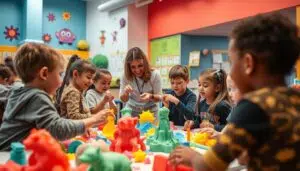
Separate zones keep different age groups entertained while fostering teamwork. Younger kids might build friendship bracelets, while teens tackle puzzle walls. Science booths with bubbling experiments or robotics previews let families glimpse classroom magic.
| Activity Type | Age Group | Key Benefit |
|---|---|---|
| Collaborative Crafts | 5-8 years | Fine motor skills |
| Code-Breaking Games | 9-12 years | Problem-solving |
| Lab Demos | All ages | STEM interest |
Making the First Day Special
Orientation scavenger hunts turn campus navigation into adventures. Students follow clues to locate bathrooms, libraries, and nurse stations. Meeting teachers through quick “Two Truths & a Dream” games replaces jitters with giggles.
Personalized welcome packs with locker decorations or friendship journals add warmth. One Toronto parent shared: “My daughter slept clutching her nameplate – she felt ready.” Such touches transform unknowns into excited anticipation for the journey ahead.
Creative Themes to Kick-Start the Season
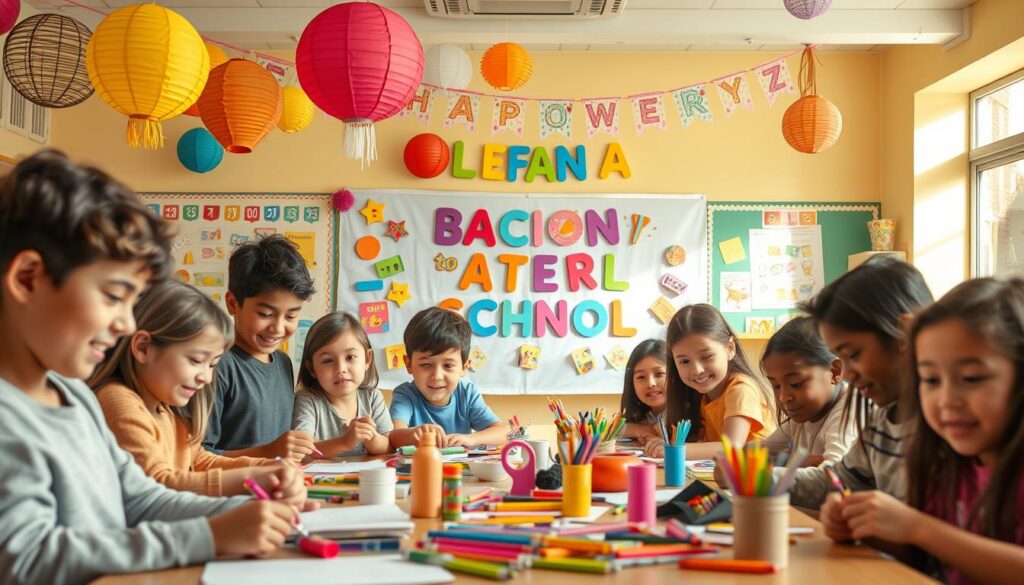
Transform routine gatherings into magical adventures with imaginative concepts that spark joy. The right theme turns ordinary spaces into vibrant worlds where learning feels like play. Let creativity lead the way as families dive into shared experiences.
From Talent Shows to Carnival Vibes
Themes like Science Adventures or Retro Arcade Nights blend education with excitement. A carnival setup might feature math-based ring toss games, while superhero themes include obstacle courses that teach teamwork. These ideas help kids see education as an adventure rather than a chore.
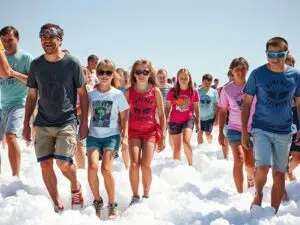
Seasonal blends work wonders for easing schedule shifts. Beach-themed days with sandcastle engineering challenges keep summer vibes alive while introducing STEM concepts. Outdoor explorer events teach map-reading skills through treasure hunts – perfect for all ages.
| Theme Type | Best For | Key Features |
|---|---|---|
| Space Explorer | Grades 3-6 | Planetarium crafts, rocket math |
| Game Night | Mixed ages | Puzzle stations, strategy games |
| Candyland | K-2 | Color sorting, sweet physics demos |
Flexible themes adapt to any budget or space. A parent from Winnipeg shared: “Our pajama party reading night became the kids’ favorite memory last year.” These experiences build connections that last beyond the first day.
From neon dance parties to backyard campouts, each theme offers unique ways to celebrate new beginnings. The secret? Choose concepts that make learning feel like pure fun while bringing generations together.
Fun Talent Shows and Student Performances
Spotlight moments create unforgettable memories while helping young learners discover their voices. These events turn auditoriums into stages where creativity flourishes and shyness fades. A Calgary music teacher observes: “Our annual showcase reveals talents we’d never see during regular classes – last year, a quiet fourth grader stunned everyone with origami robotics!”
Building Confidence Through Creative Platforms
Performance activities let students shine in their unique way. From slam poetry to yo-yo tricks, every act receives cheers from peers and families. This supportive environment helps participants view challenges as opportunities rather than obstacles.
| Performance Type | Age Group | Skills Developed |
|---|---|---|
| Musical Acts | All grades | Rhythm & coordination |
| Spoken Word | Grades 5-8 | Verbal expression |
| Magic Shows | Grades 3-6 | Problem-solving |
Combined judge-peer voting systems teach valuable lessons. Students learn to accept feedback while celebrating others’ successes. One Ottawa parent noted: “The ‘Best Team Player’ award became more sought-after than first place!”
These events strengthen school communities by highlighting diverse abilities. Teachers often spot potential club leaders or future event planners. For newcomers, sharing talents becomes a bridge to forming meaningful friendships and finding their place in the school culture.
Exciting Scavenger Hunts and Classroom Explorations
Navigating a new campus becomes an adventure with creative scavenger hunts. These interactive games turn orientation into exploratory missions where learners uncover essential locations while building teamwork skills. A Toronto educator shared: “Our library clue hunt had kids racing to find chapter books – they didn’t realize they were learning the catalog system!”
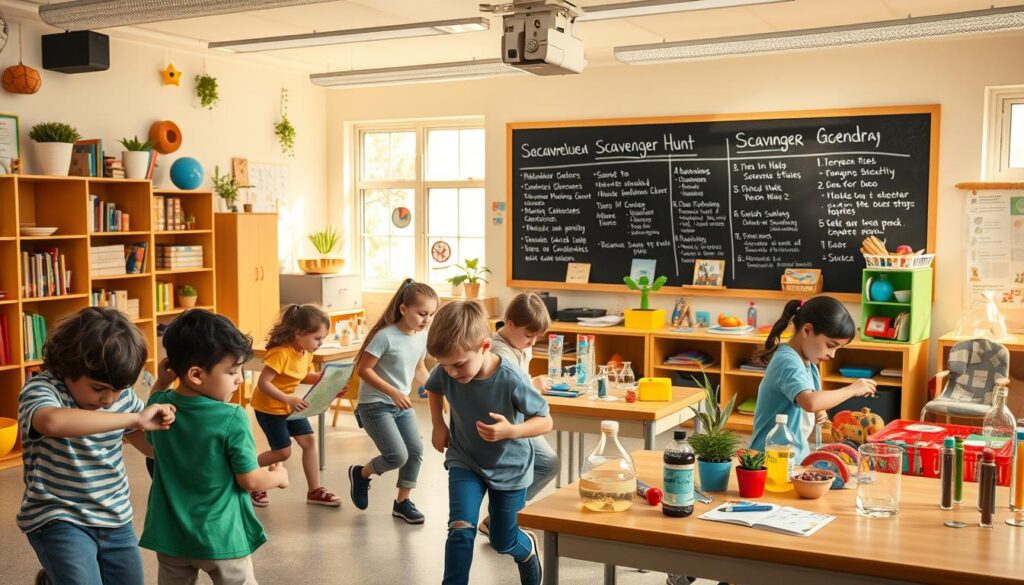
Supply-based hunts teach practical organization. Students follow riddles to collect math compasses or art sketchbooks, discovering what tools each subject requires. This hands-on approach reduces first-day confusion and sparks curiosity about upcoming lessons.
Location challenges help young explorers master their environment. Clues lead teams to cafeterias, gyms, and nurse stations through map-reading exercises. One parent noted: “My son now directs us to the principal’s office – he’s our GPS!”
| Hunt Type | Skills Developed | Best For |
|---|---|---|
| Resource Rally | Navigation & problem-solving | Newcomers |
| Policy Pursuit | Rule comprehension | All grades |
| Subject Safari | Class preparation | Grade 5+ |
Rule-discovery games make policy learning engaging. Students decode hidden messages about homework expectations or lab safety. This playful method helps guidelines stick better than traditional lectures.
Dynamic Relay Races and Team-Building Games
Team challenges spark connections that last beyond the playground. Relay races transform competition into collaborative adventures, helping students bond while tackling shared goals. These games create laughter-filled moments where athletic skill matters less than creative problem-solving.
Mixed-grade teams break down social barriers naturally. A sixth grader might guide a nervous third grader through an obstacle course, while quieter students shine in puzzle-solving rounds. Teachers report these activities reveal hidden leaders and bridge friend groups effectively.
| Activity Type | Skills Developed | Best For |
|---|---|---|
| Obstacle Relay | Coordination & trust | Grades 4-6 |
| Puzzle Pass | Critical thinking | Mixed ages |
| Communication Chain | Active listening | Grades 2-5 |
Adaptive rules ensure everyone participates meaningfully. Wheelchair-friendly courses or visual cues for hearing-impaired students make events inclusive. One Vancouver coach shared: “Our modified egg-and-spoon race had kids cheering louder for creative solutions than speed!”
These energetic games build school pride through shared achievements. When teams cross finish lines together, they create memories that turn classmates into teammates. The real win? Students leave feeling part of something bigger than themselves.
Interactive Trivia Challenges for a Smart Start
Curiosity becomes the ultimate classroom tool when trivia meets teamwork. Custom quizzes transform standard icebreakers into brain-boosting sessions where students discover shared knowledge gaps and strengths. These activities work particularly well in Canadian classrooms, where diverse cultural references create rich learning opportunities.
Promoting Critical Thinking and Collaboration
Theme-based rounds let learners connect facts creatively. A “Great Canadian Geography” quiz might ask students to identify provincial capitals through local food clues. Science trivia could feature questions about maple syrup production phases or northern lights physics.
Team formats encourage strategic discussions. Groups might debate whether Alberta’s dinosaur fossils suggest warmer prehistoric climates. These exchanges build essential reasoning skills while teaching respectful disagreement.
| Category | Sample Questions | Skill Focus |
|---|---|---|
| History | “What indigenous group first inhabited Montreal?” | Cultural awareness |
| Math | “Calculate a hockey puck’s rebound angle” | Applied geometry |
Teachers report that students who engage in weekly trivia show improved participation during regular lessons. The secret? Framing questions as puzzles rather than tests reduces pressure while keeping minds active.
FAQ
How can I make the first day feel special without spending too much time planning?
Simple gestures like personalized welcome notes, a colorful classroom setup, or a quick “get-to-know-you” game work wonders. Pair students for a buddy system or host a short sharing session about summer highlights to build connections fast.
What activities work best for mixed-age groups during school events?
Collaborative games like photo scavenger hunts, team-based trivia, or craft stations with adjustable difficulty levels keep everyone engaged. For example, a “school supply relay race” lets younger kids participate while older students take leadership roles.
Are scavenger hunts effective for classroom bonding?
Absolutely! They encourage teamwork and familiarize students with their environment. Create lists with clues tied to school spaces (library, gym) or academic themes. Include riddles or puzzles to spark critical thinking while exploring.
How do relay races support classroom dynamics?
These games build communication and problem-solving skills. Try a “book balance challenge” where teams carry supplies without dropping them, or a puzzle-building race. They’re energetic icebreakers that highlight shared goals.
Can trivia games really help with academic readiness?
Yes! Themed quizzes on subjects like math facts or historical events sharpen recall and collaboration. Use digital tools like Kahoot! for interactive rounds, or print question sheets for small-group competitions.
What’s a budget-friendly way to host a themed event?
Repurpose existing decorations or collaborate with families for donations. A “reading carnival” might use book-themed booths, while a “STEM showcase” could feature student-built projects. Focus on creativity over costly supplies.
How do talent shows benefit shy students?
Offer flexible options like group performances, art displays, or prerecorded videos. Emphasize participation over perfection, and celebrate diverse skills—from magic tricks to sports demos—to boost confidence.